
SEO and Search Trends
1. Introduction to SEO & Search Trends
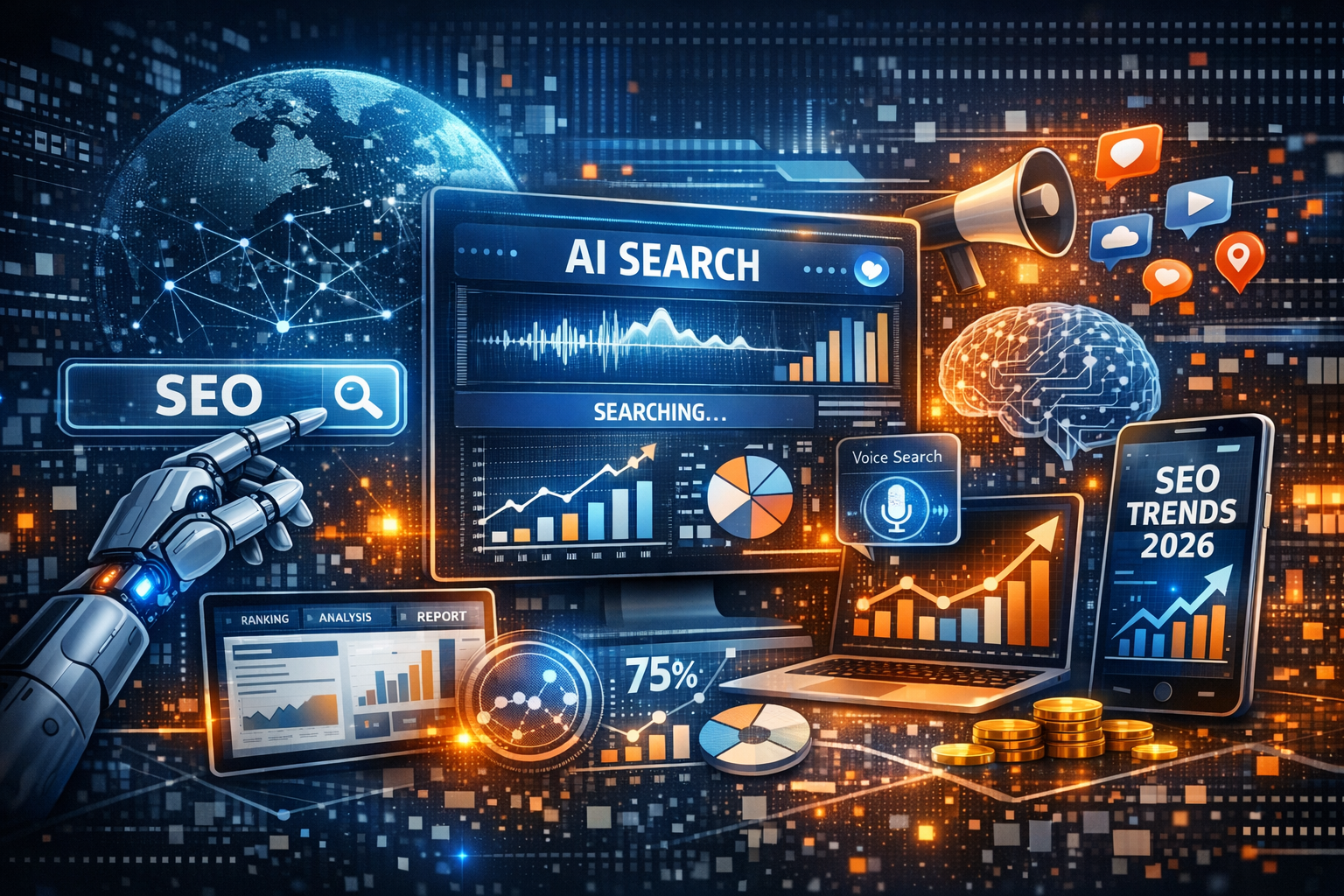
Search Engine Optimization (SEO) continues to evolve rapidly, driven by artificial intelligence, voice search, and user‑centric algorithms. In 2026, SEO is no longer just about keywords—it’s about understanding intent, experience, and trust. Search engines like Google now prioritize content that delivers genuine value, authority, and relevance.
For agencies such as THE YAMAN, staying ahead of SEO trends means adapting to smarter algorithms and shifting user behaviors. AI‑powered search tools analyze context, tone, and engagement to rank content more accurately. This means marketers must focus on creating authentic, well‑structured, and mobile‑optimized content that resonates with both users and search engines.
Core Web Vitals, E‑E‑A‑T (Experience, Expertise, Authoritativeness, Trustworthiness), and semantic search are shaping the new SEO landscape. Businesses that align their strategies with these principles will dominate organic rankings.
In this blog, we’ll explore five major SEO and search trends defining —from AI‑driven optimization to voice search, visual SEO, and predictive analytics—helping you craft strategies that boost visibility, traffic, and conversions.
2. AI‑Driven SEO and Predictive Optimization
Artificial Intelligence is revolutionizing SEO by automating keyword research, content optimization, and performance tracking. AI tools like ChatGPT, Gemini, and RankBrain analyze search patterns to predict what users will look for next. This predictive SEO approach helps marketers create content that meets future demand rather than reacting to current trends.
AI also enhances on‑page optimization. It can identify keyword gaps, suggest semantic variations, and improve readability based on user engagement metrics. For agencies like THE YAMAN, integrating AI into SEO workflows means faster audits, smarter recommendations, and more accurate targeting.
Predictive analytics allows marketers to anticipate seasonal trends, emerging topics, and algorithm updates. By leveraging machine learning, businesses can adjust their strategies proactively—ensuring consistent visibility even during major search engine changes.
AI doesn’t replace human creativity; it amplifies it. Marketers can use AI insights to craft compelling narratives, optimize metadata, and personalize content for different audience segments. As search engines become more intelligent, AI‑driven SEO ensures your website remains relevant, competitive, and future‑proof.
3. Voice Search and Conversational SEO
Voice search is reshaping how users interact with search engines. With smart assistants like Alexa, Siri, and Google Assistant becoming mainstream, conversational queries now dominate search behavior. Instead of typing “best digital marketing agency Delhi,” users ask, “Which is the best digital marketing agency near me?”
This shift demands a new SEO approach—Conversational SEO. It focuses on natural language, question‑based keywords, and local intent. For THE YAMAN, optimizing for voice search means creating content that answers specific questions clearly and concisely. Structured data, featured snippets, and FAQ sections play a crucial role in capturing voice‑based results.
Long‑tail keywords and semantic phrases are essential for ranking in voice search. Marketers must write in a conversational tone, mirroring how people speak rather than how they type. Mobile optimization and fast loading speeds also influence voice search rankings.
Voice SEO is particularly powerful for local businesses. By integrating location‑based keywords and Google Business optimization, agencies can attract nearby customers searching via voice. As voice technology grows, conversational SEO will become a cornerstone of digital visibility—bridging the gap between human communication and machine understanding.
4. Visual Search and Video SEO
Visual content is dominating the digital landscape, and search engines are adapting accordingly. Platforms like Google Lens, Pinterest, have made visual search a mainstream discovery tool. Users can now search using images instead of text, making visual SEO a critical component of modern marketing.
For agencies like THE YAMAN, optimizing images and videos for search means using descriptive alt text, structured data, and high‑quality visuals. AI can analyze image context, color, and composition to determine relevance. This makes visual optimization essential for e‑commerce, branding, and content marketing.
Video SEO is equally vital. YouTube, Instagram Reels, and TikTok are now major search engines in their own right. Optimizing video titles, descriptions, and transcripts helps improve discoverability. Adding captions and keyword‑rich metadata enhances accessibility and ranking potential.
Visual search also supports product discovery. When users upload an image of a product, AI identifies similar items and directs them to relevant websites. Businesses that invest in visual SEO gain higher engagement, better conversion rates, and stronger brand recognition. In 2026, visual and video SEO are no longer optional—they’re essential for staying competitive.
5. Future of SEO: User Experience, Privacy, and Sustainability
The future of SEO revolves around user experience (UX), privacy, and sustainability. Search engines now reward websites that prioritize accessibility, transparency, and ethical practices. Fast loading times, mobile responsiveness, and intuitive navigation are key ranking factors.
Privacy‑first SEO is gaining traction as users demand control over their data. Google’s shift toward privacy‑safe tracking and first‑party data collection means marketers must adapt their analytics strategies. For THE YAMAN, this involves building trust through secure websites, clear privacy policies, and consent‑based personalization.
Sustainability is also emerging as a ranking signal. Eco‑friendly hosting, optimized code, and reduced carbon footprints contribute to better SEO performance. Search engines increasingly favor brands that align with global sustainability goals.
User experience extends beyond design—it includes emotional engagement, authenticity, and value delivery. Websites that provide meaningful content, interactive features, and seamless navigation will outperform competitors.
In conclusion, SEO in 2026 is about balance—combining technology, ethics, and creativity. Businesses that embrace AI, voice, visual, and privacy‑centric strategies will lead the digital future. For THE YAMAN, mastering these trends ensures lasting visibility, trust, and growth in an ever‑evolving search ecosystem.