
Shortage and Rising Prices of Gas Cylinders in India
Historical Context of Gas Cylinder Supply
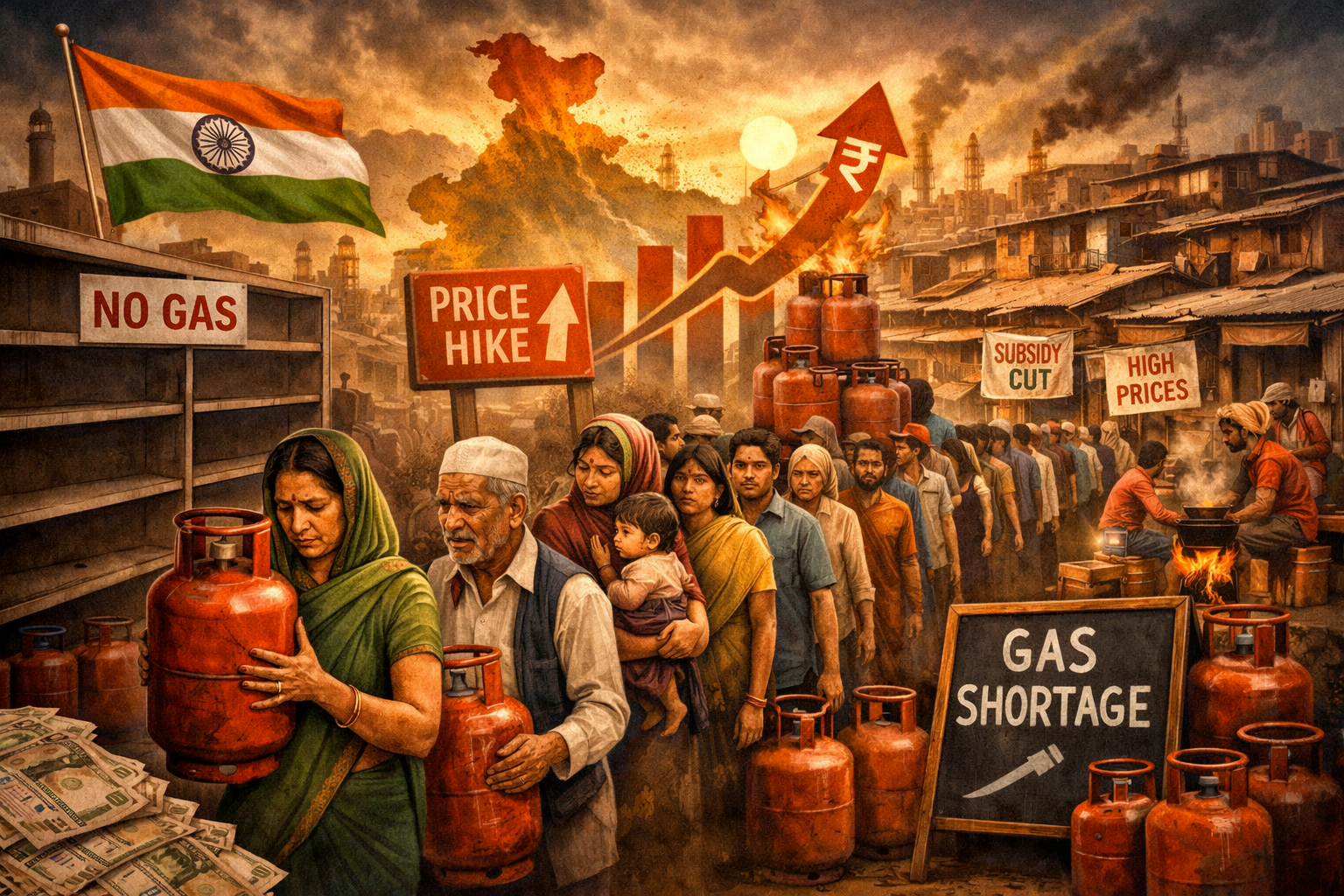
Gas Cylinder Shortage and Price Hike of LPG in India keeps rising since the 1980s began. Cities saw gains first, yet rural reach followed through state programs. Because of financial help from officials, buying cylinders became easier for many. As years passed, swapping firewood or dung for gas grew common among homes. More people cook now with LPG instead of older methods. Still, getting goods through the system started to lag. Since what was made at home fell short of growing demand, more had to come from abroad. When world oil prices swung, those shifts spilled into local LPG pricing, shaking things up. Outlying areas saw problems too, as delivery routes often stalled due to poor access. All these past pieces fit together now, shaping the current mess. Out of nowhere, things grew too fast while upgrades lagged behind. When needs climbed faster than what was available, gaps showed up almost every time. Every shift overseas brought sharper prices soon after. This whole story makes clearer why India still struggles with getting LPG reliably and at a stable cost. Long years of shaky progress, reliance on support payments, and small home output built today’s problem piece by piece.
Current Causes of Shortage and Price Hike
Out of nowhere, supply issues have pushed prices higher. Energy markets around the world keep shifting – oil rates jump when global conflicts heat up. Because LPG pricing follows oil, any surge overseas shows up fast here. Relying on imports makes things worse. When outside pressures hit, India feels them sharply. Out in the countryside, things get messier because goods do not move well. Roads slow everything down, warehouses fall short, while some areas miss out more than others – supply ends up patchy. When holidays hit, need spikes hard, pushing stocks thin. Changes in how cash aid rolls out add pressure too. With less support hitting homes, people pay more just to keep going. High prices make cooking gas harder to afford, especially when inflation hits hard. Shortages grow worse because some sellers hide supplies, then charge more later. Profits drive these actions, making life tighter for those already struggling. What looks like a delivery issue hides problems that run much deeper. Old systems, poor planning, and weak rules keep letting this happen. Fixing just the surface won’t stop the cycle from starting again soon of Gas Cylinder Shortage and Price Hike.
Impact on Households and Businesses
Out in the open, Gas Cylinder Shortage and Price Hike shortages hit home fast. Prices climb, so household budgets stretch thin – meals shrink, lights stay off. When money gets tight, poor families turn to wood fires, breathing smoke that clouds lungs and skies alike. City dwellers wait in lines, grumbling about delays. Meanwhile, far from paved roads, life grows heavier by the day. LPG price hikes hit companies hard. Cooking spots, guest houses, plus roadside sellers depend on it every day. When bills climb, earnings shrink – shutters come down without warning. Factories burning propane face steeper bills too, making goods tougher to sell. Tougher prices ripple through workshops relying on gas flames. Out in the open, job losses climb because companies under pressure slash payrolls to save money. When families and firms hit their limits, ripple effects begin to show up in daily life. Anger builds slowly – then spills into streets through marches calling on leaders to act. Cooking falls heavily on women’s shoulders, especially if safer options take too long or feel risky. Life tightens across communities, caught between shrinking incomes, illness, and worn-down routines.
Government Response and Policy Challenges
Trying different ways, the government stepped in during the crisis and millions got LPG thanks to schemes such as Pradhan Mantri Ujjwala Yojana (PMUY). Still, higher international prices weaken how much help subsidies can give to people. Work on increasing local output drags behind because construction often stalls. Out here, spreading out import sources helps cut ties to just a few sellers – though shifting global tensions often mess up talks. Officials find it tough to stop illegal trade while keeping supply chains even. Making rules gets messy when spending wisely clashes with helping people in need. Handing out aid eats into state funds; take it away, protests tend to flare up. Out here, hard choices get pushed aside when politics gets loud. Prices hide behind closed doors, so people doubt every increase they see. Some efforts show up on paper but vanish where it matters most. Quick patches stick around only until the next problem hits, never fixing what’s broken underneath. Holding prices down without breaking the budget? That tightrope walk needs steady hands and real follow-through. Tough rules applied over time – that kind of quiet persistence changes things more than any sudden move.
Pathways Toward Resolution
Fixing the problem takes big changes across the system. Domestic LPG output needs growth first, cutting dependence on foreign sources. When storage facilities get upgraded along with delivery routes, supplies become steadier. Clear rules about how prices are set help win back public confidence slowly. People start seeing reasons behind price shifts when information flows openly. Tougher oversight cracks down on illegal stockpiling, shielding families from unfair practices. Those who need support most ought to get subsidies, whereas richer users cover full price. Switching to options like biogas or electric stoves eases supply of LPG, and when people understand better how fuel works, they start to use it more carefully. Working across borders opens doors to steadier flows of needed resources. Progress only happens when officials, businesses, and everyday folks move together. India might just find its way through the present struggle by welcoming new ideas, clear actions, one group included after another. Tough times lie ahead, yet steady changes could bring low-cost power within reach of everyone. That kind of shift builds tougher economies, lives improved quietly. A different route opens when choices favor many instead of few.